Just like humans, when outside temperatures lower, and bacteria begins circulating throughout the air, dogs are susceptible to numerous types of illnesses. The most common one, which can be likened to the human version of the “common cold”, is referred to as Bordetella Bronchiseptica – or in simpler terms, the “kennel cough”.
Kennel Cough
Kennel cough is caused when dogs inhale bacteria or virus particles into their respiratory tract, either through cold temperatures, exposure to crowded or poorly ventilated conditions, exposure to dust or cigarette smoke, or travel-induced stress. Kennel cough can be identified through exercise intolerance, a reduced appetite, running eyes with a tick, soupy liquid discharge that can dry up and become crusty, or swollen lymph nodes.
Kennel Cough Recovery
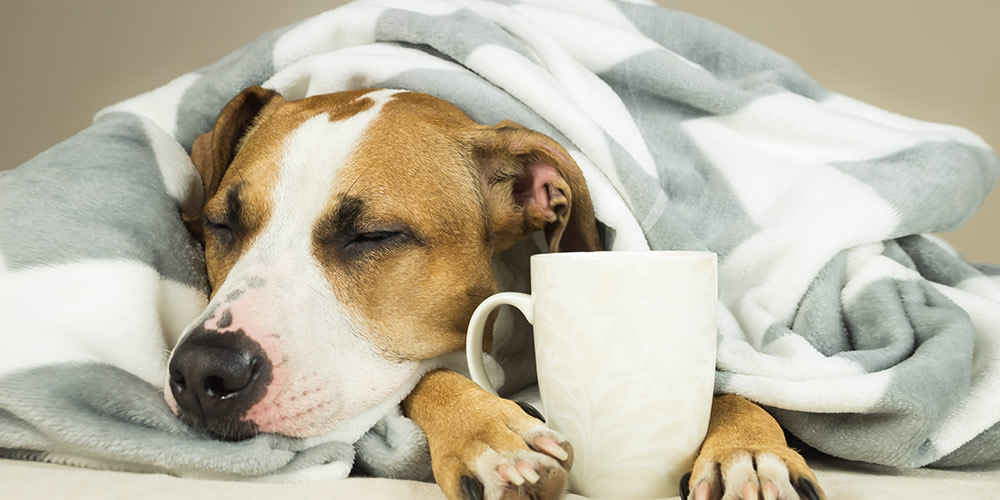
All these signs may seem detrimental to your dog, however kennel cough is not considered harmful and dogs are normally expected to recover within approximately 1-2 weeks, as long as they are well rested and kept warm. To speed up the recovery process, avoid walks or playtime as your dog will already be feeling lethargic and having them exercise will only worsen their cold.
Allow your dog to rest in a heated area of your home or give them a blanket to lie with. Alternatively, you could consider purchasing a dog coat intended to keep them warm, or to purchase a toy such as the Little Buddy warm bear that will also help to keep your dog heated during the colder months.
Always make sure you sanitise any bedding or clothing that your dog has come into contact with, to prevent any bacteria from spreading, and make sure you quarantine your infected pet from any other pets in your home as the sickness is extremely contagious and can be spread rapidly. You can also avoid the risk of kennel cough in your pet by ensuring your home is well ventilated and dust and dirt free.
Make sure your pet is kept away from excessive levels of dust or cigarette smoke and use a harness instead of a collar to minimize coughing. Speaking to your veterinarian about vaccinations that may help to prevent kennel cough is another option you may consider taking prior to your dog contracting the illness.